How to Create a Rainy-Day Entryway Routine
Rainy-day entryway routine can be simple, but it works best when it is shaped around a clear purpose. The aim is to keep wet shoes, outerwear, and bags from spreading moisture and disorder through the home. That purpose keeps the activity from growing into a performance, a shopping project, orContinue Reading

How Parents Can Help Teens Launch a Neighborhood Service
Many young people express an early interest in earning their own spending money, exploring practical talents, or contributing directly to their immediate surroundings. While traditional part-time employment offers structured experience, designing and running a small neighborhood service provides a uniquely holistic education. When adolescents care for local pets, assist elderlyContinue Reading
How to Teach Teens Practical Project Management at Home
Parents frequently look for meaningful ways to help adolescents cultivate autonomy, self-reliance, and long-term organizational skills. While routine daily chores teach basic responsibility, they rarely provide young people with an opportunity to guide an initiative from concept to completion. Introducing teenagers to the basics of project management at home bridgesContinue Reading

How Teens Can Build a Decision Tree for a Recurring Study Problem
A recurring study problem is easier to address when a teenager can distinguish several possible causes instead of applying the same fix every time. The activity works best when it feels like an investigation rather than a disguised test. Its purpose is to help family members practise diagnosis, conditional reasoning,Continue Reading

A Practical Homework Help Boundary for Parents and Caregivers
Helping with homework can slide from support into taking over, especially when time is short and frustration is rising. A clear boundary helps the learner receive encouragement and clarification while keeping ownership of the work. The most useful approach is usually a small, repeatable process rather than a burst ofContinue Reading

How to Set Up a Home Learning Launch Routine
Starting home learning can take more energy than the lesson itself when materials, expectations, and transitions are unclear. A short launch routine helps a learner move from household activity into focused work with less prompting. The most useful approach is usually a small, repeatable process rather than a burst ofContinue Reading
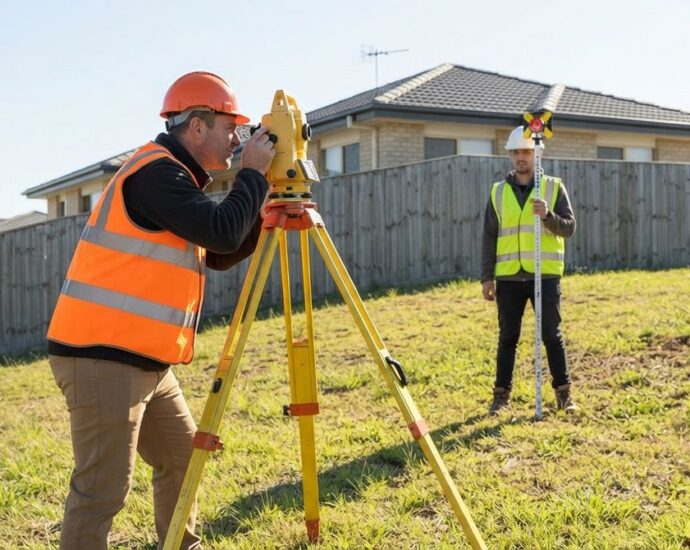
A Home Observation Project for Tracking How One Room Changes Through the Day
A room is not used the same way all day. Light moves, sound changes, objects travel, temperature feels different, and people pass through for different reasons. Tracking one room over time gives families a contained observation project that can combine measurement, description, mapping, and discussion. The aim is not toContinue Reading
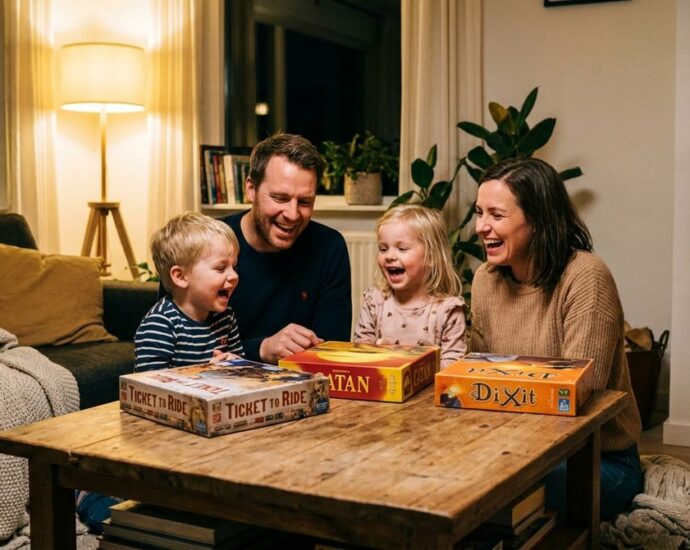
A Family Guide to Reverse-Engineering a Familiar Board Game
A familiar board game is a small designed system. It has a goal, permitted actions, limits, information, and a way to end. Reverse-engineering the game means taking it apart conceptually to understand how those pieces work together. Families can practice logic, explanation, probability, design, and fair testing without needing toContinue Reading

How to Build a Home Mini-Exhibition Around One Ordinary Object
An ordinary object can connect design, history, science, personal memory, and communication. A spoon, button, envelope, key, basket, or hand tool becomes interesting when a family asks who made it, what problem it solves, how it changed, and what evidence supports its story. A home mini-exhibition gives children and teensContinue Reading

How Families Can Investigate the Stories Behind Local Street Names
Street names are easy to pass without noticing, yet they can open questions about geography, language, local history, planning, and memory. A family investigation turns familiar signs into research prompts. The aim is not to accept every popular story as fact, but to learn how evidence supports, complicates, or correctsContinue Reading